
How to Document a Basement Leak Before Asking About Waterproofing
FOUNDATION FIX HOMEOWNER GUIDE · BASEMENT WATERPROOFING
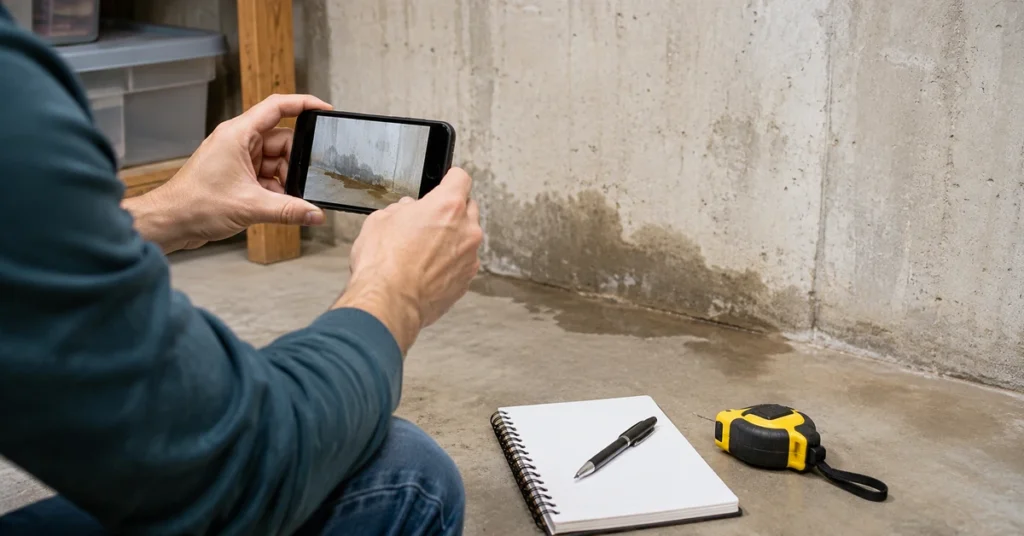
Record where water appears, when it happens, and what changes you can see before asking about basement waterproofing.
A basement leak can be difficult to diagnose because water does not always appear where it enters your home. Moisture may travel through foundation walls, floor joints, cracks, or other openings before becoming visible.
Before asking about basement waterproofing, take time to document what you see. A clear record of the leak’s location, timing, severity, weather conditions, and visible damage can help a professional understand the problem and evaluate possible solutions.
This basement leak documentation checklist explains what to photograph, measure, record, and prepare before requesting a basement inspection or waterproofing estimate.
01 / Identify the source area
1. Record Exactly Where the Basement Leak Appears
Start by identifying the location of every visible wet area. Do not assume that the place where water collects is the exact point where it enters.
Walk through the basement and inspect the following areas:
- Foundation walls, particularly around visible cracks.
- Wall-to-floor joints.
- Basement floor cracks and openings.
- Corners where two foundation walls meet.
- Areas around basement windows and window wells.
- Plumbing pipes and utility penetrations.
- Floor drains and sump pump areas.
- Ceiling areas beneath bathrooms, kitchens, or plumbing lines.
Record the location of each wet spot using a simple description.
For example:
- Water staining on the northeast basement wall.
- Dampness along the joint between the floor and foundation wall.
- Water collecting near the basement window.
- Moisture appearing through a visible floor crack.
If possible, draw a basic basement floor plan and mark each affected location. Label the areas A, B, and C, then use the same labels in your photographs.
This creates a useful basement leak inspection record that makes it easier to discuss the problem with a professional.
02 / Preserve visible evidence
2. Take Clear Photographs and Videos
Photographs are among the most useful parts of a basement leak documentation checklist. They preserve visible evidence that may disappear after the area dries or cleanup begins.
Take photographs of:
- The entire affected wall or floor.
- Close-up views of visible cracks and openings.
- Water stains and discoloration.
- Peeling paint, damaged drywall, or damaged flooring.
- Standing water or visible seepage.
- The surrounding area, including nearby pipes and windows.
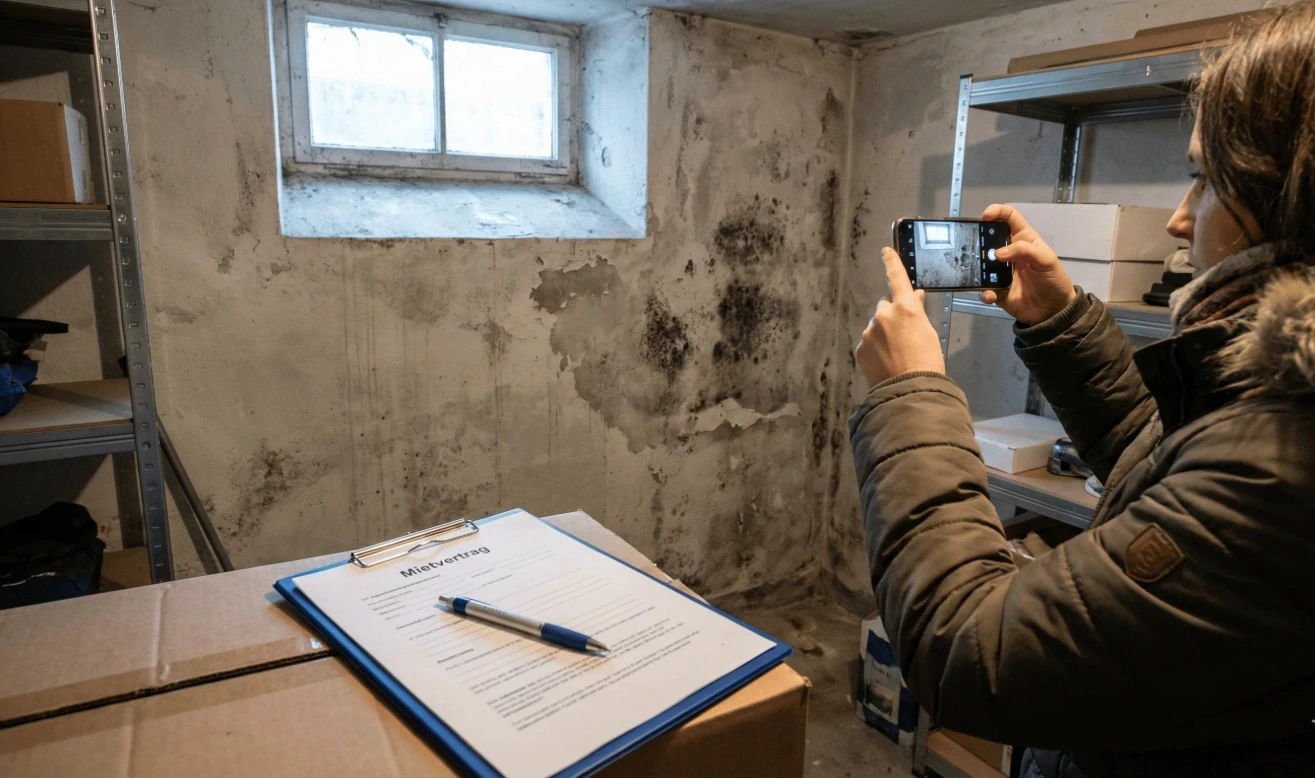
Take both wide-angle and close-up photographs. Wide photographs show the location of the problem, while close-ups reveal details.
When possible, include a measuring tape or another familiar object beside a visible crack to provide a sense of scale.
Record the date and time of each photograph. If water is actively entering the basement, a short video can help show whether it is dripping, flowing, or slowly appearing through a surface.
Avoid covering stains or repairing cracks before documenting their original condition.
03 / Track timing and weather
3. Record When the Basement Leak Happens
The timing of a basement leak can provide important clues about its possible source.
For example, a basement leak that appears during heavy rainfall may have a different cause from moisture that develops during dry weather.
Maintain a simple basement leak log with the following information:
- Date the leak was first noticed.
- Time the water appeared.
- Whether it was raining at the time.
- Whether rainfall occurred during the previous day or two.
- How long the moisture remained visible.
- Whether the affected area became wetter over time.
- Whether the leak has happened before.
Pay particular attention to recurring patterns.
Does the basement leak when it rains? Does water appear several hours after rainfall? Does the same location become wet every time?
Also record whether the basement remains damp during extended dry periods.
These observations can help distinguish between recurring water intrusion, possible plumbing problems, and condensation-related moisture.
04 / Describe the severity
4. Document the Amount of Water and Visible Damage
Not all basement leaks produce the same amount of water. Some cause minor dampness, while others result in dripping, pooling, or flooding.
Describe the severity as accurately as possible.
For example:
- Slight dampness on a small section of wall.
- Water droplets forming along a foundation crack.
- A wet area spreading across the basement floor.
- Water collecting around the wall-to-floor joint.
- Standing water covering part of the basement.
If water has collected on the floor, photograph its extent before cleanup if it is safe to do so.
Next, document the materials and belongings affected by moisture:
- Carpet and rugs.
- Drywall and insulation.
- Wooden flooring and baseboards.
- Stored furniture and household items.
- Cardboard boxes and personal belongings.
- Wall paint and other interior finishes.
Keep photographs of damaged materials and make a written list of affected items.
If you need to clean the basement, preserve your photographs and records first when it is safe. However, do not delay necessary cleanup or repairs simply to collect additional evidence.
05 / Observe outside conditions
5. Inspect and Photograph the Exterior Around the Foundation
Basement water problems do not always originate inside the basement. Water collecting around the outside of a foundation can contribute to moisture intrusion.
Inspect the accessible exterior areas corresponding to the affected basement wall.
Look for:
- Gutters that are clogged or overflowing.
- Downspouts discharging water near the foundation.
- Ground that slopes toward the house.
- Water pooling beside foundation walls.
- Cracks or deterioration in visible foundation areas.
- Window wells where water collects.
- Patios or paved surfaces directing water toward the building.
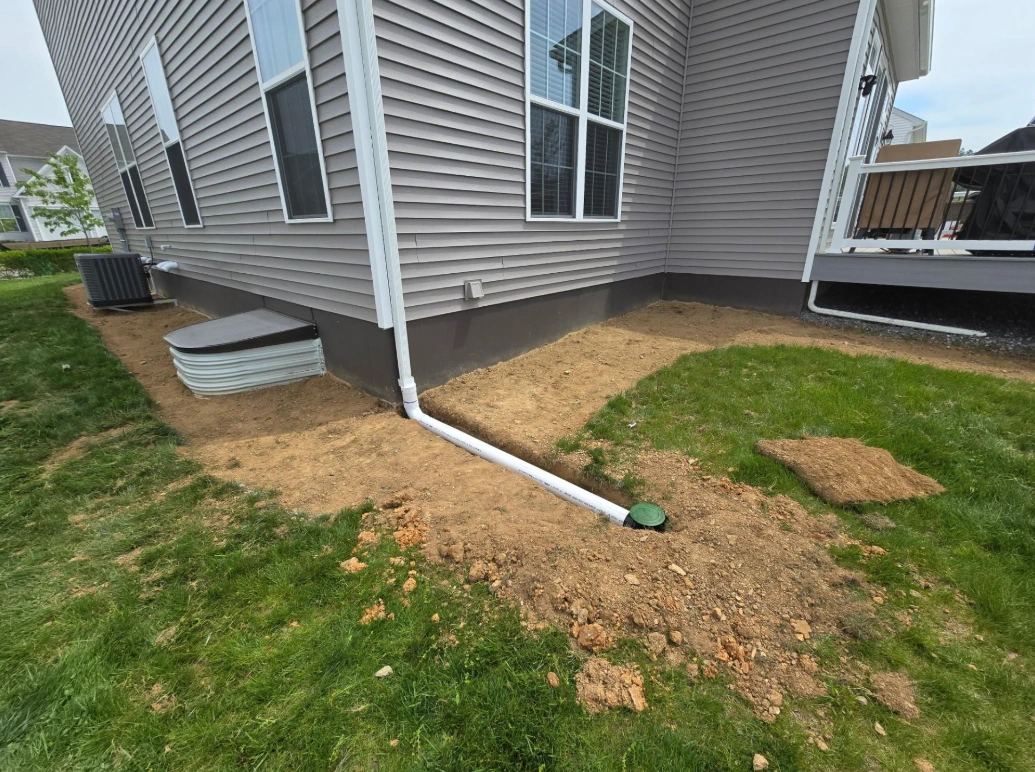
Photograph these conditions and identify which exterior areas correspond to the wet basement locations.
For example, if water appears along the northeast basement wall, check the exterior ground, downspouts, and window wells on that side of the house.
Do not dig around the foundation or attempt to inspect buried drainage systems yourself. Record visible conditions and leave further investigation to an appropriate professional.
06 / Gather repair history
6. Record Previous Basement Repairs and Waterproofing Work
Previous repairs can provide useful information when investigating recurring basement leaks.
Prepare a list of any work previously performed in the basement or around the foundation.
Include:
- Foundation crack repairs.
- Previous basement waterproofing.
- Interior sealant or coating applications.
- Sump pump installation or replacement.
- Drainage improvements.
- Gutter and downspout modifications.
- Plumbing repairs.
- Basement remodeling or renovation.
If available, collect invoices, photographs, inspection reports, repair proposals, and warranty documents.
Record approximately when the work was completed and whether the same area started leaking again.
This information helps a professional understand what has already been attempted and whether the current problem may be related to a previous repair or a different source of moisture.
07 / Note drainage equipment
7. Check the Sump Pump and Basement Drainage System
If your basement has a sump pump, include its condition in your documentation.
Record the following:
- Whether a sump pump is installed.
- Whether water is present in the sump basin.
- Whether the pump appears to operate normally.
- Whether the pump has a backup system.
- Whether an alarm is installed.
- Where the discharge pipe directs water.
Also photograph visible floor drains and accessible drainage components.
Do not touch electrical equipment or enter standing water to inspect these systems. If you suspect an electrical problem, arrange for qualified assistance.
A sump pump or drainage issue may contribute to basement water problems, so recording these details can help make an inspection more informative.
08 / Organize the inspection file
8. Prepare Your Basement Leak Records Before Requesting an Inspection
Once you have collected the information, organize everything into one folder.
A useful basement inspection list should contain:
- Photographs of all affected areas.
- Videos of active leakage, if safely recorded.
- A simple basement floor plan showing wet locations.
- Dates and times when leaks occurred.
- Recent rainfall observations.
- Descriptions of the amount of water.
- Photographs of visible damage.
- Exterior drainage observations.
- Previous repair and waterproofing records.
- Sump pump and drainage information.
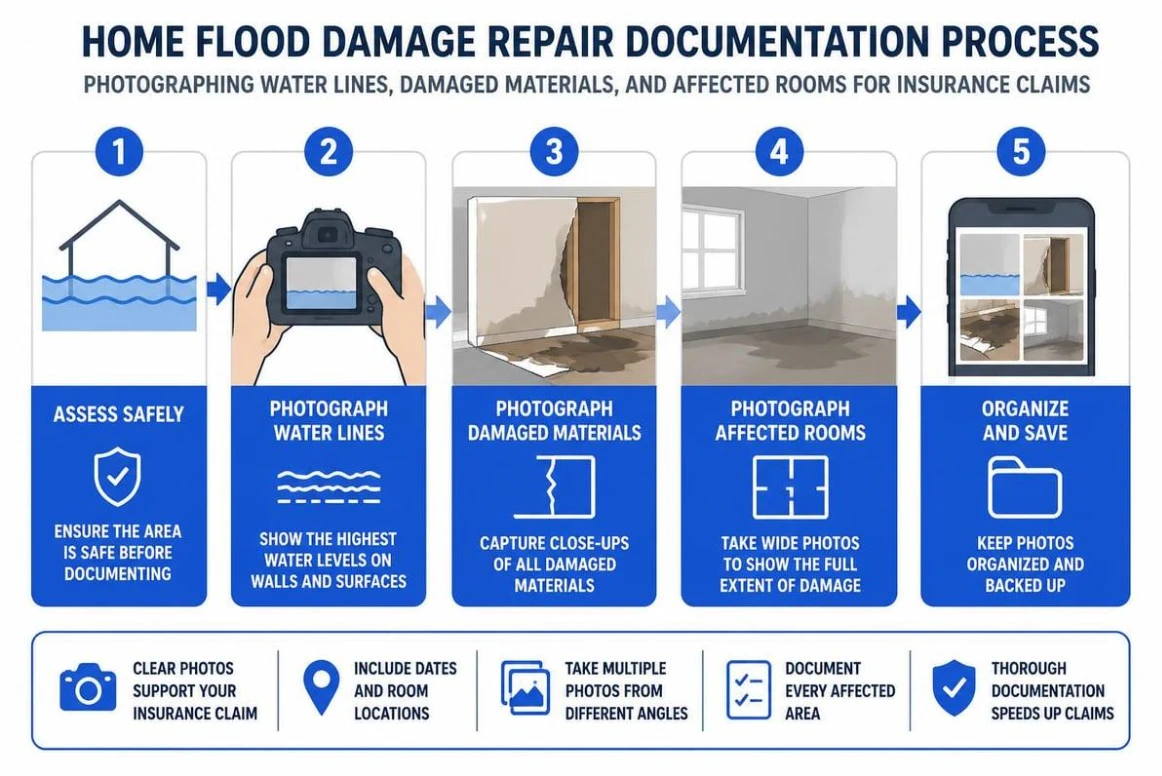
Keep original photographs and documents whenever possible. Avoid relying only on edited pictures or verbal descriptions.
If you are requesting multiple estimates, provide each professional with the same basic information. This makes it easier to compare their findings and understand whether they are addressing the same problem.
09 / Prepare questions
9. What to Ask Before Getting a Basement Waterproofing Quote
Once your documentation is ready, you can arrange an appropriate basement inspection.
Instead of asking only how much waterproofing will cost, ask questions that help clarify the actual problem.
Consider asking:
- Where does the water appear to be entering the basement?
- What conditions could be contributing to the leak?
- Could exterior drainage or plumbing be involved?
- Does the affected area require further investigation?
- What waterproofing or repair options are appropriate?
- What work is included in the proposed estimate?
- Are cleanup, restoration, and additional repairs included or excluded?
- What maintenance might be required after the work?
Request a written explanation of the recommended work.
A basement leak quote should clearly identify the proposed work, its scope, and any exclusions. Do not compare estimates based on price alone if the proposed solutions address different problems.
The goal is to understand the source of the water and the work being recommended before making a decision.
10 / Know when to get help
10. When to Seek Professional Help
Some basement moisture problems require more than routine observation.
Consider arranging a professional assessment when:
- Water repeatedly enters through foundation walls or floors.
- Visible cracks are associated with recurring water intrusion.
- Water appears after rainfall in the same locations.
- Standing water repeatedly collects in the basement.
- Previous repairs have not resolved the problem.
- Dampness or water damage continues to spread.
If you notice significant horizontal cracks, bowing foundation walls, or signs of structural movement, consult a qualified structural professional rather than relying on a waterproofing assessment alone.
Safety comes first: Never enter standing water if electrical equipment, outlets, or wiring may be affected. Floodwater can also contain sewage and other contaminants. Keep away from unsafe areas and seek qualified help.
Wet building materials should be dried promptly. The U.S. Environmental Protection Agency recommends drying wet or damp materials within 24–48 hours when possible to help prevent mold growth.
Common questions
Frequently Asked Questions
What should I document before calling a basement waterproofing company?
Record the location, timing, and severity of the leak. Take photographs and videos, note recent rainfall, document visible damage, inspect accessible exterior drainage conditions, and collect records of previous repairs.
How can I tell if my basement is leaking?
Look for water stains, damp foundation walls, peeling paint, wet flooring, water around wall-to-floor joints, and recurring moisture. These signs can indicate water intrusion, although condensation and plumbing leaks may produce similar symptoms.
Why is my basement leaking when it rains?
Rainfall can increase the amount of water in the soil surrounding a foundation. Poor exterior drainage, downspouts discharging near the house, foundation cracks, and other conditions may contribute to water entering the basement.
Can water leak through a basement floor?
Yes. Water can appear through floor cracks, joints, and openings where the floor meets the foundation wall. The actual source should be investigated before choosing a repair method.
Can you fix a basement leak from the inside?
Some basement water problems can be addressed using interior drainage or repair methods. However, the appropriate solution depends on the source and conditions causing the leak. An inspection can help determine whether interior or exterior work is needed.
What should I bring to a basement inspection?
Bring your photographs, videos, basement leak log, floor plan, previous repair records, and observations about rainfall and exterior drainage. These details provide useful background for the inspection.
Conclusion
Documenting a basement leak before asking about waterproofing can make the inspection and estimate process more productive.
Start by recording where water appears, when it happens, and how much damage it causes. Photograph the affected areas, inspect accessible exterior drainage conditions, check visible sump pump components, and gather records of previous repairs.
A well-organized basement leak documentation checklist gives you a clearer record of the problem and helps a professional evaluate the available evidence.
FOUNDATION FIX BIRMINGHAM
Need Help Understanding a Recurring Basement Leak?
If you are experiencing recurring basement water problems in Birmingham, Alabama, consider arranging an appropriate basement inspection before deciding which waterproofing or repair solution is right for your home.
Related homeowner guides
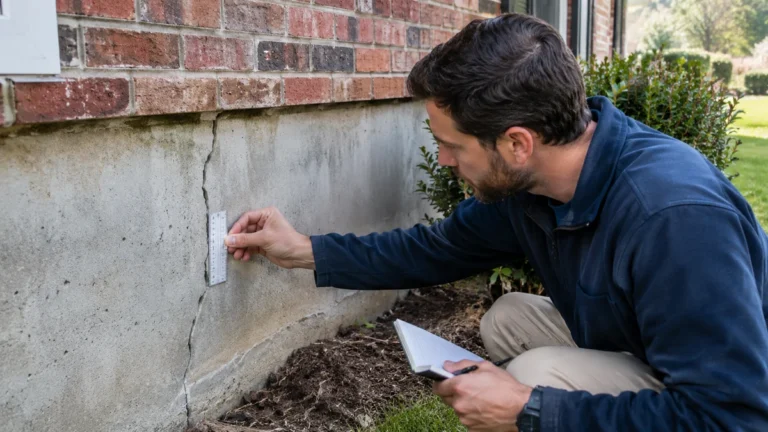
Foundation Crack Types: Vertical, Horizontal, and Stair-Step Cracks Explained
FOUNDATION REPAIR GUIDE · BIRMINGHAM, AL Understand common foundation crack patterns, what they may indicate, and when to arrange a professional evaluation. ✓ Common Crack Types ✓…
Read guide ↗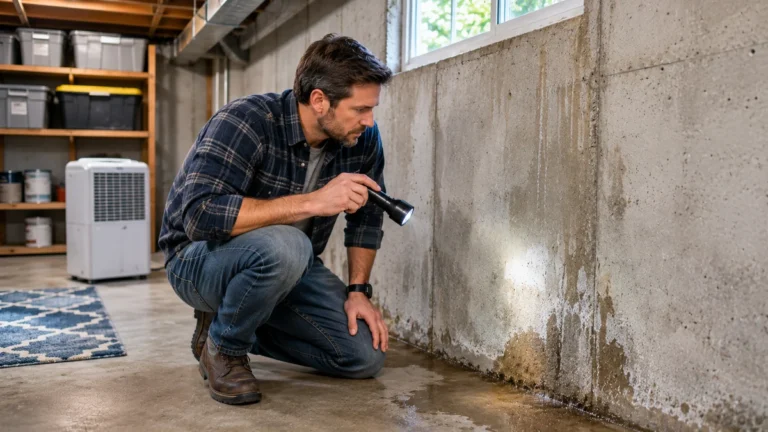
How to Repair a Basement Leak: What Homeowners Can Check Before Calling a Professional
A damp or leaking basement can be frustrating, especially when you are not sure where the water is coming from. Before you attempt a repair, it helps…
Read guide ↗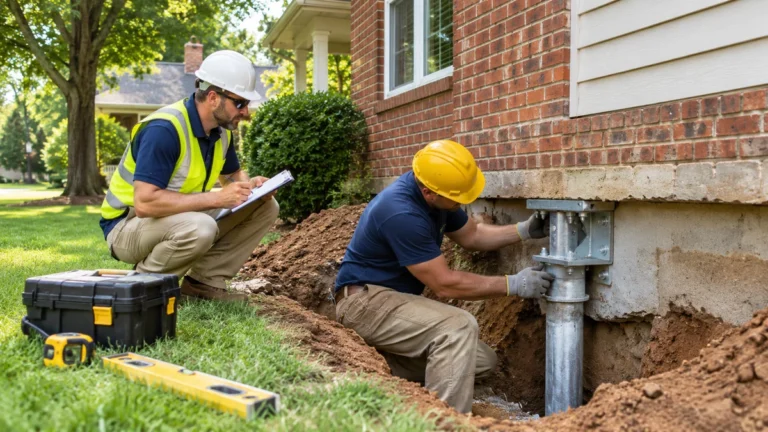
How Much Does Foundation Repair Cost in Birmingham, AL
Foundation problems can be stressful for homeowners, especially when the potential repair costs are unclear. A small foundation crack may require a relatively simple repair, while a…
Read guide ↗