
How to Repair a Basement Leak: What Homeowners Can Check Before Calling a Professional
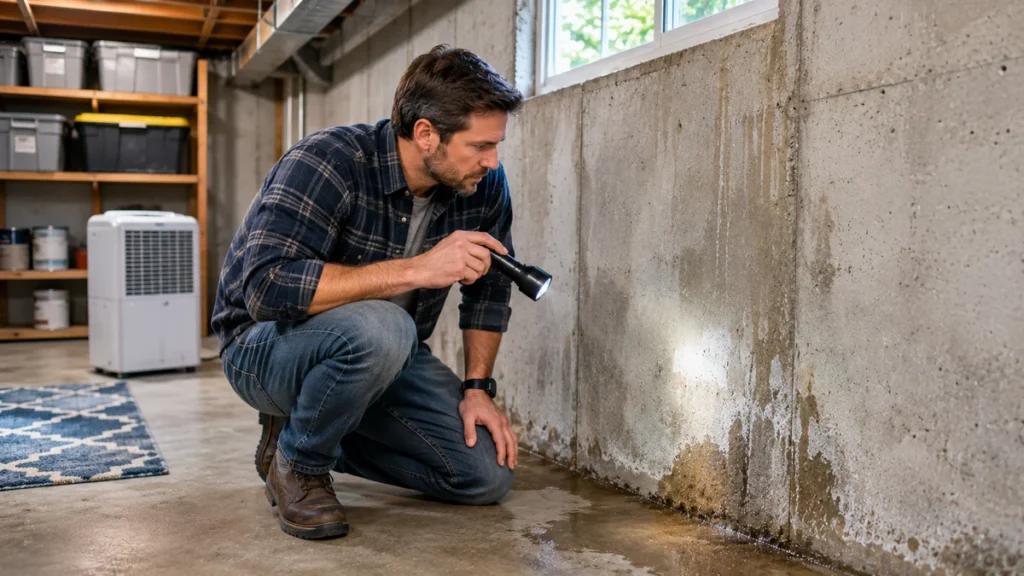
A damp or leaking basement can be frustrating, especially when you are not sure where the water is coming from. Before you attempt a repair, it helps to identify whether the moisture is entering through a foundation crack, a wall-and-floor joint, a window well, plumbing, or water collecting outside the home.
This guide explains how to repair a basement leak by starting with safe homeowner checks, describing a few limited maintenance steps, and showing when a basement waterproofing or foundation professional should investigate the problem. The right solution depends on the source of the water—not simply the spot where it appears indoors.
Homeowners can often check gutters, downspouts, grading, window wells, visible plumbing, and the timing of a leak. Repeated seepage, structural cracks, water under pressure, or widespread flooding usually calls for professional diagnosis rather than repeated patching from the inside.
Common Causes of Basement Leaks
Basement water can come from more than one source. A leak that appears after heavy rain may be related to exterior drainage or groundwater, while a steady drip in dry weather could point to a plumbing or appliance issue.
Poor exterior drainage
Clogged gutters, short downspouts, or low areas beside the home can allow roof runoff to collect near the foundation.
Foundation cracks and joints
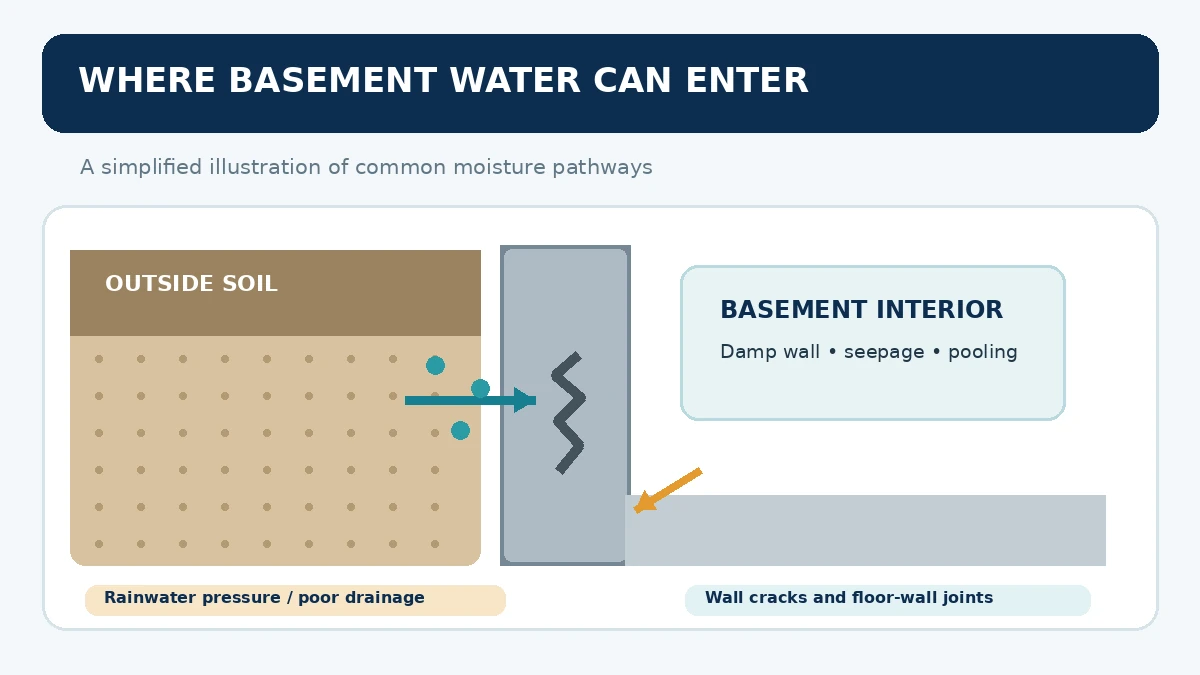
Water may enter through cracks, construction joints, or the joint where the basement wall meets the floor.
Window wells and openings
Blocked window-well drains, poorly sealed openings, or surface water flowing toward a basement window can cause localized leaks.
Plumbing or appliance leaks
Supply lines, drains, water heaters, HVAC condensate lines, and laundry equipment can create moisture that looks like a foundation leak.
Groundwater pressure
When soil around a foundation becomes saturated, water pressure can push moisture through vulnerable walls, joints, or floor areas.
Condensation and humidity
Warm, humid air contacting cool basement surfaces can create condensation. Not every damp wall is a foundation leak.
How to Find Where the Basement Leak Is Coming From
Start by observing the conditions rather than immediately applying sealant. The pattern, timing, and location of moisture can help narrow down the source.
Note when the leak appears
Does it show up during or shortly after rain, only in winter, after using plumbing, or continuously? A leak that follows rainfall may point toward runoff or groundwater; a recurring drip near a pipe may need a plumber.
Look for the highest visible wet point
Water can travel along a wall, pipe, or floor before it pools. Check for damp staining, mineral deposits, peeling paint, or a visible trail rather than assuming the puddle marks the entry point.
Check walls, floors, and openings
From a dry and safe position, look for cracks, the wall-to-floor joint, basement windows, window wells, and utility penetrations. Photograph changes so you can compare them after later rainfall.
Consider plumbing and condensation
Check visible, accessible plumbing and appliance connections for drips. If moisture is widespread on cool surfaces, condensation or high indoor humidity may be contributing.
Homeowner Checks Before Trying to Repair a Basement Leak
These checks focus on visible maintenance items. Do not climb onto a roof, enter an excavation, move structural supports, or dig beside the foundation to investigate a leak.
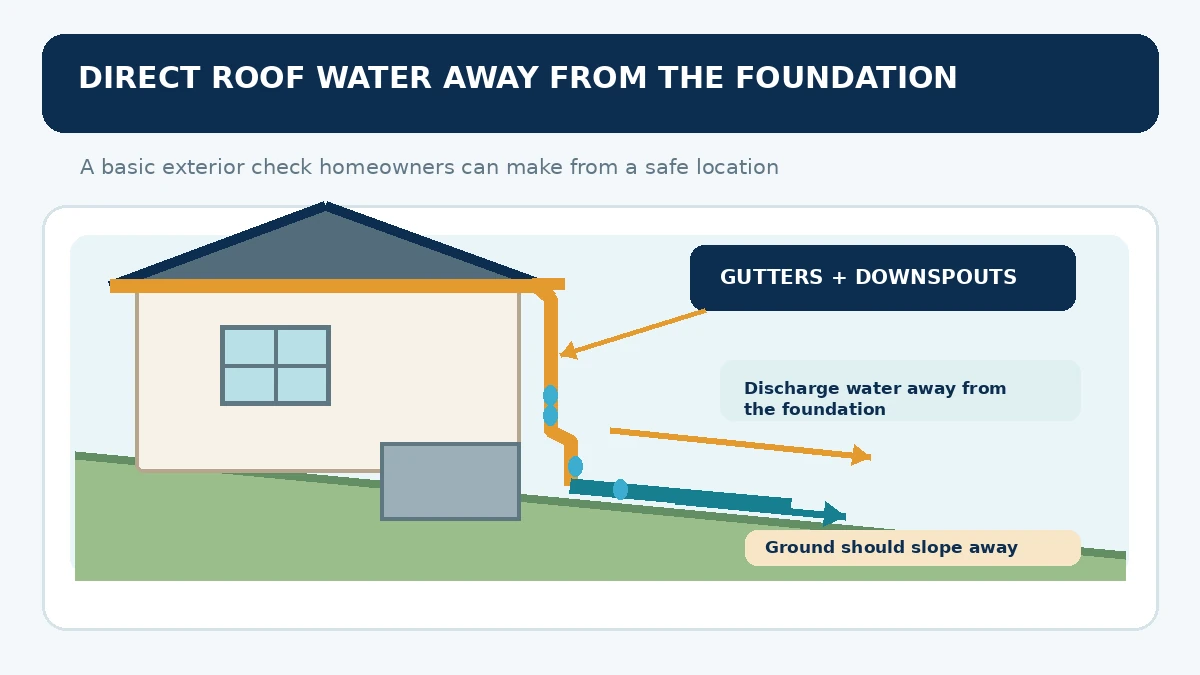
From a safe location, look for overflowing gutters, visible blockages, loose sections, or water spilling behind the gutter during rain.
Check whether downspouts discharge close to the house or are disconnected. Direct roof runoff away from the foundation without sending it onto a neighbor’s property or a walkway.
Look for soil, mulch, or landscaping that slopes toward the home or creates low spots where rainwater pools. Significant regrading should be planned carefully.
Look for leaves, debris, or visible standing water in accessible window wells. Do not lean into an unstable well or remove a cover that is unsafe to handle.
If the home has a sump pump, observe whether the pit is unusually full or the system appears to be cycling. Do not touch the pump or wiring in a wet area.
Check visible supply lines, drains, water heaters, and appliance connections for drips. Have concealed or pressurized plumbing repaired by a qualified plumber.
The U.S. EPA recommends maintaining gutters, directing ground slope away from the foundation, and controlling indoor moisture. See the EPA guide to mold, moisture, and the home.
How to Repair a Basement Leak: Safe First Steps
The correct repair depends on the cause. A homeowner may be able to correct a simple maintenance issue, but sealing a crack or coating a wall will not solve every source of water intrusion.
Correct simple roof-water problems
Arrange for blocked gutters to be cleaned, reconnect loose downspouts, and use suitable extensions or drainage components to carry roof runoff away from the home. Follow local drainage rules and avoid discharging water toward adjoining properties.
Address minor surface-water collection
Remove loose leaves and debris from accessible ground-level drains and window-well covers. If the yard repeatedly holds water near the foundation, ask a qualified drainage or foundation professional to assess the grading and discharge route before major soil work.
Be cautious with crack sealants
A product labeled for concrete cracks may be suitable for some small, stable, non-structural cracks when used exactly as directed. Do not assume a sealant will stop active water pressure, repair a moving crack, or correct settlement. Have widening, offset, stair-step, or recurring cracks assessed first.
Dry the area after the source is controlled
Once it is safe and active water entry has been addressed, remove wet belongings, improve ventilation where appropriate, and use a dehumidifier only in a dry, electrically safe area. Follow appliance instructions and monitor hidden materials for continued dampness.
Temporary Steps to Reduce Water and Protect the Basement
While you arrange the right repair, these practical steps may reduce additional damage when the area is safe to enter:
- Move boxes, furniture, fabrics, and other belongings away from damp floors and walls.
- Use a camera or phone to document the water source, affected materials, and changes over time.
- Place a container under a small, clean drip only if doing so does not require contact with electrical equipment or unsafe water.
- Do not operate a wet/dry vacuum, pump, extension cord, or other electrical equipment in standing water.
- Dry wet materials promptly when it is safe to do so. The EPA says drying wet or damp areas within 24–48 hours can help prevent mold growth.
- Keep indoor relative humidity below 60% where possible; the EPA identifies 30–50% as an ideal range.
If the basement has been flooded by a storm or rising groundwater, do not rush to pump it empty. FEMA warns that pumping while outside water remains high can create pressure differences that damage basement walls or floors. Follow local emergency guidance and get qualified advice before removing substantial floodwater.
Helpful safety references: EPA moisture and mold guidance, CDC flooded-home safety, and FEMA flood guidance.
When to Call a Basement Waterproofing Professional
Homeowner checks are useful for identifying obvious maintenance issues, but repeated or unexplained water intrusion needs a proper diagnosis. Arrange a professional assessment if you notice any of the following:
- Water returns after each rainstorm or continues entering despite basic drainage maintenance.
- Cracks are widening, offset, stair-stepped, or accompanied by bowing or leaning walls.
- Water appears through the wall-and-floor joint, beneath the slab, or across a large area.
- There is persistent musty odor, visible mold, or wet drywall, carpet, insulation, or stored materials.
- A sump pump fails, the pit overflows, or the drainage system appears unable to manage water.
- The leak may involve a concealed plumbing line, sewage, or contaminated floodwater.
A qualified professional can distinguish plumbing leaks, exterior drainage problems, foundation cracks, groundwater seepage, and condensation. Depending on the findings, the recommended work might involve drainage corrections, a sump system, crack repair, wall stabilization, or another method. Ask for a written explanation of the cause, proposed scope, warranty terms, and any work that requires permits.
Still Dealing With a Basement Leak?
Explore basement waterproofing information for Birmingham, AL, and learn what to discuss during a professional assessment.
Explore Basement WaterproofingFrequently Asked Questions About Basement Leaks
How do I repair a basement leak myself?
First identify the source. Homeowners may be able to correct visible gutter or downspout issues, clear accessible debris, and monitor minor moisture. Structural cracks, recurring seepage, groundwater pressure, or concealed plumbing leaks should be assessed by a qualified professional before applying a repair product.
What is the most common cause of a basement leak?
There is no single cause in every home. Poor roof-water drainage, saturated soil, foundation cracks, wall-and-floor joints, window wells, plumbing leaks, and condensation can all contribute. The timing and location of the water help narrow down the source.
Can I seal a basement wall crack from the inside?
Some small, stable, non-structural cracks may be suitable for a compatible sealant or injection system, but the product and method must match the crack and the water conditions. A moving, widening, offset, or leaking structural crack should be evaluated before it is sealed.
Why does my basement leak only when it rains?
Rain can increase the amount of water around a foundation. Clogged gutters, short downspouts, poor grading, window-well drainage, and saturated soil are possible contributors. Check visible exterior drainage after rain, but do not excavate beside the foundation yourself.
Will a dehumidifier fix a leaking basement?
A dehumidifier can help control indoor humidity after the area is safe and the water source is addressed. It does not repair a foundation crack, leaking pipe, failed drain, or ongoing water intrusion.
How quickly should I dry a wet basement?
Act promptly once it is safe. The EPA says wet or damp areas and belongings dried within 24–48 hours will, in most cases, be less likely to develop mold. Extensive water damage or contaminated water needs professional cleanup.
Should I pump water out of a flooded basement?
Do not rush to pump out a basement after widespread flooding or when groundwater outside is still high. FEMA warns that a sudden pressure difference can damage basement walls or floors. Follow local emergency instructions and seek qualified guidance before removing substantial floodwater.
Helpful Resources
- U.S. EPA — A Brief Guide to Mold, Moisture, and Your Home
- U.S. EPA — Mold House Tour: Basements and Drainage
- CDC — Safety When Reentering a Flooded Home
- FEMA — Selecting Appropriate Mitigation Methods
This article is general educational information, not an inspection, engineering opinion, plumbing diagnosis, or emergency service. Repair methods depend on the source and severity of the water. Follow product instructions, electrical safety guidance, and applicable local requirements.
Related homeowner guides
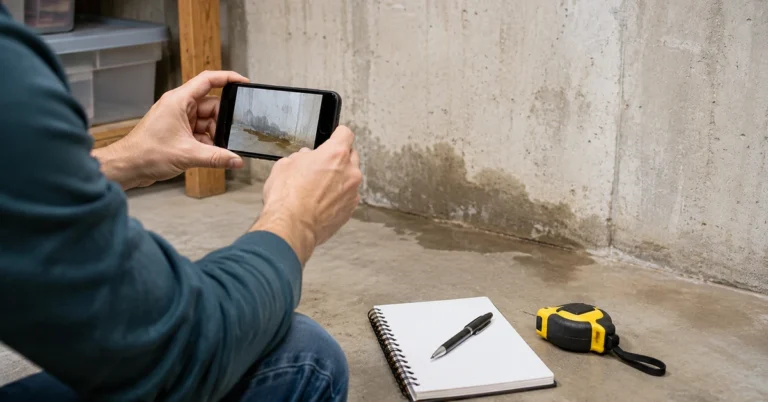
How to Document a Basement Leak Before Asking About Waterproofing
FOUNDATION FIX HOMEOWNER GUIDE · BASEMENT WATERPROOFING Record where water appears, when it happens, and what changes you can see before asking about basement waterproofing. Leak location…
Read guide ↗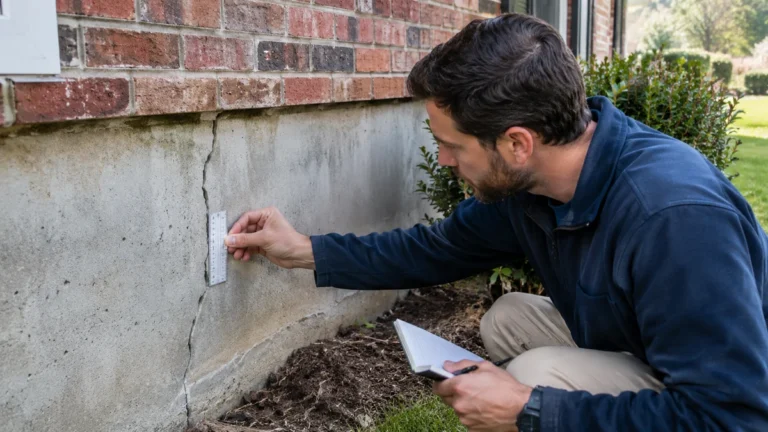
Foundation Crack Types: Vertical, Horizontal, and Stair-Step Cracks Explained
FOUNDATION REPAIR GUIDE · BIRMINGHAM, AL Understand common foundation crack patterns, what they may indicate, and when to arrange a professional evaluation. ✓ Common Crack Types ✓…
Read guide ↗
How Much Does Foundation Repair Cost in Birmingham, AL
Foundation problems can be stressful for homeowners, especially when the potential repair costs are unclear. A small foundation crack may require a relatively simple repair, while a…
Read guide ↗