
Foundation Crack Types: Vertical, Horizontal, and Stair-Step Cracks Explained
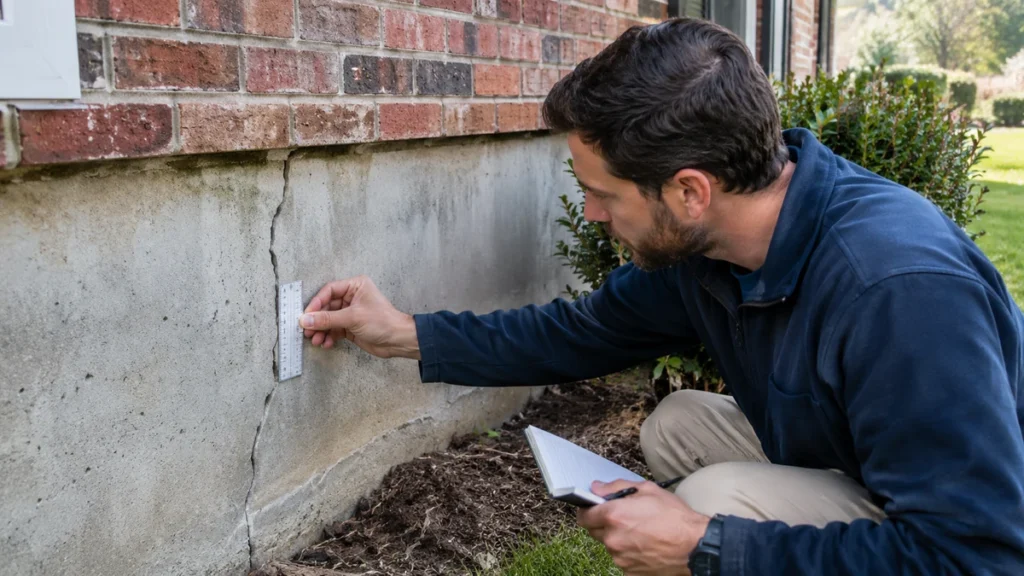
Understand common foundation crack patterns, what they may indicate, and when to arrange a professional evaluation.
Seeing a crack in a foundation can be unsettling, but the pattern alone does not tell you exactly what caused it or whether the home has a structural problem. A vertical line in poured concrete, a horizontal split across a basement wall, and a stair-step crack through masonry joints can be associated with different types of movement, material changes, or site conditions.
This guide explains the three foundation crack types homeowners most often ask about—vertical, horizontal, and stair-step—along with other details that matter when deciding what to do next. For Birmingham, Alabama homeowners, the goal is to recognize what you can safely observe, document changes, and know when a qualified professional should take a closer look.
Why Do Foundation Cracks Happen?
Concrete and masonry respond to loads, moisture, temperature, and changes in the materials around them. Some cracking is related to normal material behavior, such as drying shrinkage or thermal movement. Other cracks may be associated with settlement, uneven support, lateral soil pressure, water-related conditions, construction details, or movement between adjoining materials.
The American Concrete Institute notes that concrete cracking has multiple possible causes and that cracks can range from appearance-related conditions to signs of structural distress or durability concerns. Concrete masonry can also experience restrained movement as moisture content and temperature change; the Concrete Masonry & Hardscapes Association explains that supporting-element movement and differential settlement can contribute as well.
Drying shrinkage
Concrete or masonry can contract as moisture changes. If movement is restrained, stress can develop and a crack may form.
Soil and foundation movement
Changes in support beneath different parts of a structure can create uneven movement. The conditions and extent vary by property.
Lateral pressure and water
Soil pressure, water buildup, drainage conditions, and backfill can affect foundation walls. Visible bowing or displacement needs prompt evaluation.
Temperature and material changes
Concrete, block, brick, mortar, and other connected materials do not all respond identically to moisture and temperature changes.
Around Birmingham, rainfall patterns, dry periods, grading, and the soil conditions at an individual site may all be relevant. Homes in the same city can have different foundation types, slopes, drainage, and construction histories, so location alone cannot identify the cause of a crack.
1. Vertical Foundation Cracks
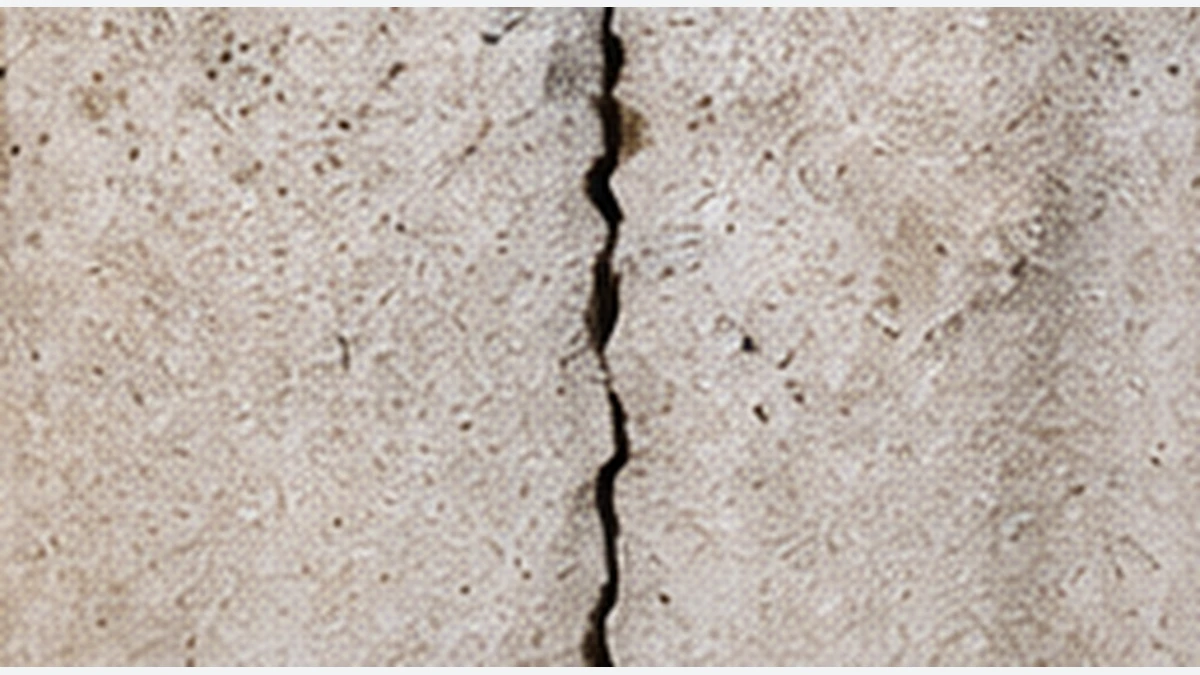
A vertical foundation crack runs primarily up and down. In a poured-concrete wall, a relatively straight vertical crack can be associated with concrete shrinkage as the material cures or dries. Vertical cracks can also occur with settlement, restraint, temperature changes, or other forms of movement.
Some narrow, stable vertical cracks may be less concerning than a horizontal crack accompanied by wall movement, but that is not a rule for diagnosing a home. A vertical crack that is getting wider, leaking, showing displacement, or appearing with other signs of movement should be evaluated. A crack’s age and behavior are important: a small line that has remained unchanged is different from a new crack that is visibly progressing.
2. Horizontal Foundation Cracks
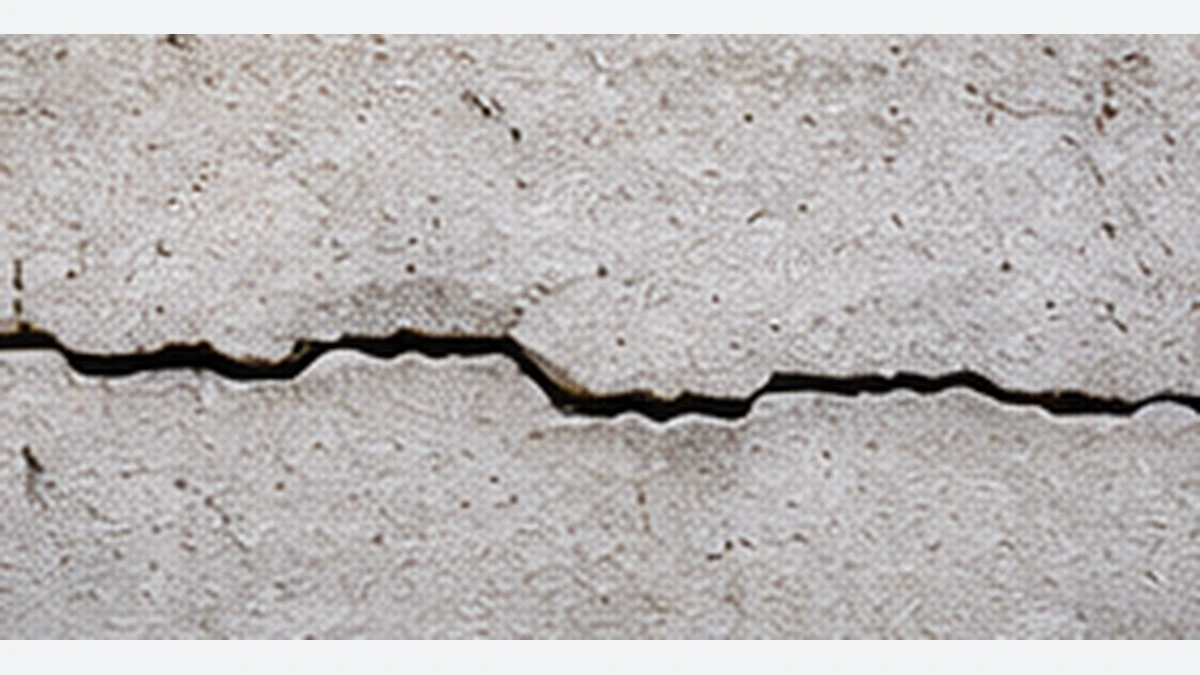
A horizontal foundation crack runs from side to side across a wall. In a below-grade foundation wall, this pattern can be associated with lateral pressure from surrounding soil or water, backfill conditions, or other forces acting against the wall. A horizontal crack may deserve careful attention because the wall can be experiencing pressure or movement that a surface patch would not correct.
Look for related observations rather than treating the line itself as a diagnosis. Does the wall appear to bow inward, lean, bulge, or shift? Is the crack becoming longer or wider? Is there water entry, or are there other cracks nearby? A horizontal crack with visible wall deformation or displacement should be treated as a reason to seek prompt professional evaluation.
3. Stair-Step Foundation Cracks
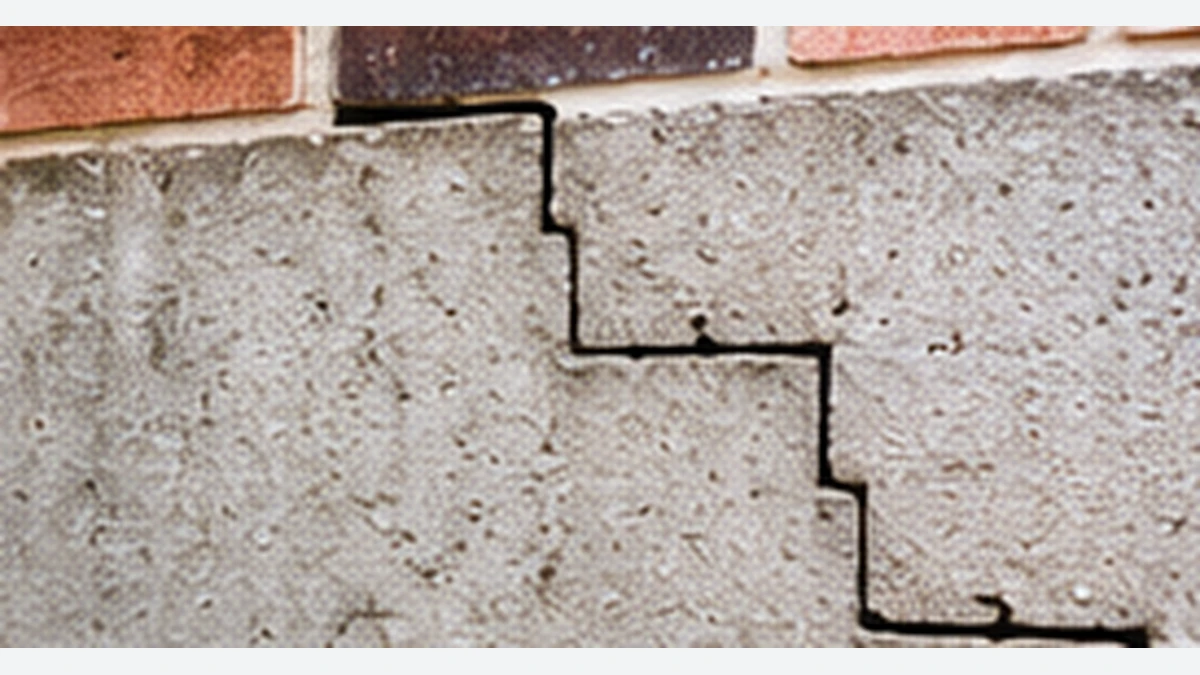
Stair-step foundation cracks follow mortar joints in brick or concrete-block construction. Instead of cutting straight through each masonry unit, the crack steps along the joints, creating a zigzag pattern. This can be associated with differential settlement or movement, but it may also be influenced by moisture and temperature changes, the way materials are connected, support around openings, or other masonry conditions.
The location and behavior of the crack are important. Note whether it starts near a corner, window, door, or change in wall height; whether it continues across several blocks; and whether the wall or individual units appear displaced. A stair-step crack that is widening, spreading, or paired with gaps, bowing, or uneven floors deserves professional attention.
Other Crack Patterns and Foundation Materials
Diagonal cracks
A diagonal crack runs at an angle rather than straight up, across, or along mortar joints. Diagonal cracks can occur near corners and openings and may be associated with differential movement, stress concentrations, or other conditions. Record where the crack begins and ends, whether it widens toward one side, and whether nearby doors, windows, or floors have changed.
Hairline or map-pattern cracks
Very fine surface cracks may form patterns sometimes described as crazing or map cracking. They can be related to surface shrinkage, curing, moisture, or other material conditions. A network of fine surface lines is not automatically a sign of foundation movement, but depth, surface deterioration, leakage, and changes over time may affect what should be checked.
Poured concrete, concrete block, and brick veneer are different
A poured-concrete foundation wall is a continuous concrete wall, while a concrete-block wall is made of individual masonry units joined with mortar. Brick veneer may be an exterior facing rather than the structural foundation itself. A stair-step crack in a mortar joint on a veneer wall does not automatically mean the footing or structural foundation has failed; the wall assembly and support need to be understood first.
The National Park Service recommends distinguishing solid masonry from cavity walls and non-structural brick or stone veneer when examining masonry. It also notes that masonry cracks can relate to several conditions, including settlement, shrinkage, temperature and moisture variation, support around openings, and wall displacement. This is one reason a crack pattern should be treated as an observation—not a final diagnosis.
Quick Comparison: Foundation Crack Types
| Crack type | Typical appearance | Possible associations | Other details to check |
|---|---|---|---|
| Vertical | Runs mainly up and down | Shrinkage, settlement, restraint, or other movement | Widening, leakage, offset, and related symptoms |
| Horizontal | Runs from side to side across a wall | Lateral pressure, water-related conditions, or wall movement | Bowing, leaning, bulging, displacement, and progression |
| Stair-step | Stepped pattern along masonry joints | Differential movement, settlement, moisture or thermal movement | Spread across courses, offset units, and nearby gaps |
This comparison is a homeowner reference only. It does not rank every crack by severity or replace an inspection of the specific wall and foundation system.
What Homeowners Can Safely Do First
You do not need to diagnose a crack yourself. A few careful observations can make it easier to explain what you have noticed and help a qualified professional understand the history of the concern.

- Take clear photographs. Photograph the full wall and a closer view of the crack. Include a ruler or another size reference in one image, without inserting anything into the crack.
- Record the date and location. Note whether the crack is inside or outside, on a poured wall or masonry wall, and where it sits in relation to corners, windows, doors, and the floor line.
- Watch for changes. Repeat photographs from a similar angle after a reasonable interval. Record if the crack appears longer, wider, more numerous, or offset.
- Note moisture and weather. Record water seepage, damp marks, efflorescence, or whether the issue becomes noticeable after rainfall. Do not enter a flooded or unsafe area.
- Look for related symptoms. From a safe location, note doors or windows that recently stick, sloping floors, gaps around trim, or a wall that appears to bow or lean.
- Observe exterior water management. From ground level, check whether visible gutters and downspouts discharge away from the home and whether surface water collects near the foundation. Do not dig beside the foundation or make structural changes.
When Should You Request a Professional Foundation Evaluation?
Consider arranging a professional evaluation if a crack is new or changing, appears in several locations, leaks, or occurs with other signs of movement. Seek prompt attention when a foundation wall visibly bows, leans, bulges, or appears displaced. If the wall or an adjacent area seems unstable, keep people away from it and seek appropriate professional help rather than attempting a repair.
- Horizontal cracking, especially when paired with bowing, leaning, or displacement.
- Stair-step cracks that are widening or spreading across multiple masonry courses.
- Cracks that appear to be growing, opening, or developing an offset between the two sides.
- Water entry, recurring dampness, or visible deterioration along a crack.
- Several symptoms together, such as cracks, uneven floors, sticking doors or windows, or gaps around frames.
- Visible movement or deformation of a foundation wall or other structural element.
Depending on the condition, a qualified foundation professional may help evaluate the issue, and a licensed structural engineer may be appropriate when structural performance or wall stability is in question. Ask the person evaluating the property to explain what was observed, what remains uncertain, and why a proposed next step fits the condition. Avoid accepting a structural repair recommendation based only on a crack photograph or a generic rule about crack width.
Foundation Fix Birmingham
Not Sure What a Foundation Crack Means?
Review the local foundation crack repair information and prepare the details you have observed before requesting an assessment. Service availability and the appropriate next step must be confirmed for the specific property.
Frequently Asked Questions About Foundation Crack Types
What are the three most common foundation crack types?
Three patterns homeowners commonly ask about are vertical cracks, horizontal cracks, and stair-step cracks. Vertical cracks run mainly up and down, horizontal cracks run side to side, and stair-step cracks follow mortar joints in brick or block masonry. Each pattern can have more than one cause.
Are vertical foundation cracks always harmless?
No. Some vertical cracks are associated with concrete shrinkage or minor movement, but a vertical crack can also relate to other conditions. Changes over time, water entry, displacement, and symptoms elsewhere in the home should be considered before deciding what it means.
Why can horizontal foundation cracks be concerning?
A horizontal crack in a foundation wall can be associated with lateral pressure or movement acting against the wall. Bowing, leaning, bulging, displacement, or a crack that is getting worse are reasons to seek prompt professional evaluation.
Do stair-step cracks mean my foundation is failing?
Not automatically. Stair-step cracks follow masonry mortar joints and can be associated with settlement or differential movement, but moisture, temperature changes, support around openings, and other masonry conditions can also contribute. The wall type, crack history, and related symptoms matter.
Is a crack in brick veneer the same as a crack in the foundation?
Not necessarily. Brick veneer may be an exterior facing rather than the structural foundation wall. An evaluation should identify which wall or material is cracked and how it is supported before drawing conclusions about the foundation.
How should I measure and monitor a foundation crack?
Take dated photographs from a consistent angle and include a ruler or another size reference in a photo. Record the crack’s location, apparent width and length, moisture, nearby symptoms, and any changes you notice. Do not insert tools into the crack or attempt to test the wall’s stability.
Can I seal or patch a foundation crack myself?
A surface patch may hide the visible line without addressing its cause. Because the right response depends on whether the crack is stable, leaking, or associated with movement, have concerning or changing cracks assessed before choosing a repair. Do not attempt structural bracing, excavation, pier installation, or other structural work yourself.
When should a Birmingham homeowner contact a foundation professional?
Seek an evaluation when a crack is new, widening, leaking, displaced, or accompanied by bowing walls, uneven floors, sticking doors or windows, or multiple signs of movement. A visibly unstable wall calls for prompt professional attention.
Understand the Pattern, Then Check the Full Picture
Vertical, horizontal, and stair-step foundation cracks can point to different conditions, but no pattern tells the whole story on its own. The material, location, size, history, moisture, wall alignment, and symptoms elsewhere in the home all help determine what should be checked next. If you are unsure what you are seeing, document the change and arrange an appropriate evaluation rather than guessing at a repair.
For local service information, see Foundation Crack Repair in Birmingham or review the broader Foundation Repair overview.
Technical References
- American Concrete Institute — Cracking in Concrete
- Concrete Masonry & Hardscapes Association — Crack Control Strategies for Concrete Masonry Construction
- National Park Service — Common Problems with Brick Masonry
This article is general homeowner education, not an engineering assessment, structural diagnosis, or repair specification. The right response depends on the specific building, materials, site conditions, and observed changes.
Related homeowner guides
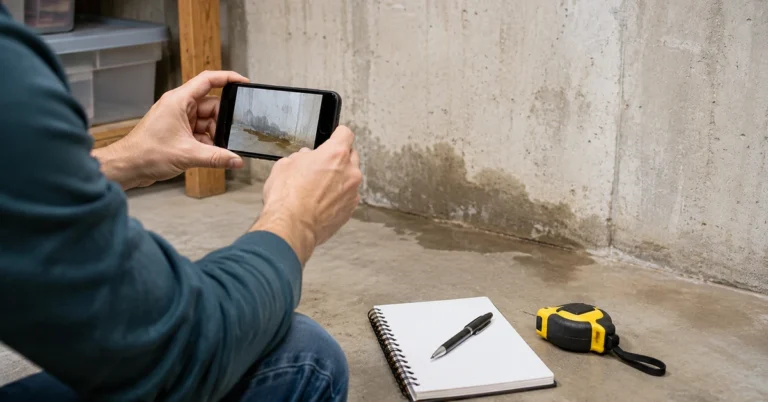
How to Document a Basement Leak Before Asking About Waterproofing
FOUNDATION FIX HOMEOWNER GUIDE · BASEMENT WATERPROOFING Record where water appears, when it happens, and what changes you can see before asking about basement waterproofing. Leak location…
Read guide ↗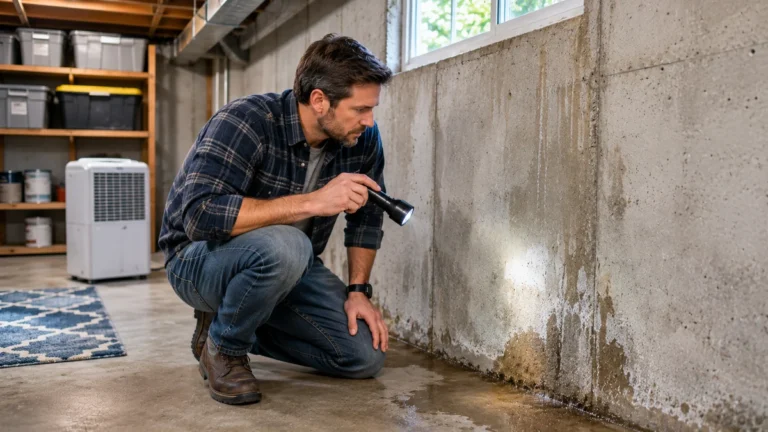
How to Repair a Basement Leak: What Homeowners Can Check Before Calling a Professional
A damp or leaking basement can be frustrating, especially when you are not sure where the water is coming from. Before you attempt a repair, it helps…
Read guide ↗
How Much Does Foundation Repair Cost in Birmingham, AL
Foundation problems can be stressful for homeowners, especially when the potential repair costs are unclear. A small foundation crack may require a relatively simple repair, while a…
Read guide ↗